
Water Damage Restoration, Handled Fast — Before It Spreads
A burst pipe, a failed water heater or a flooded basement can soak walls, floors and furnishings in hours. One request connects you with an independent local water damage restoration and cleanup provider who extracts the water, dries the structure and stops the damage from travelling — day or night.
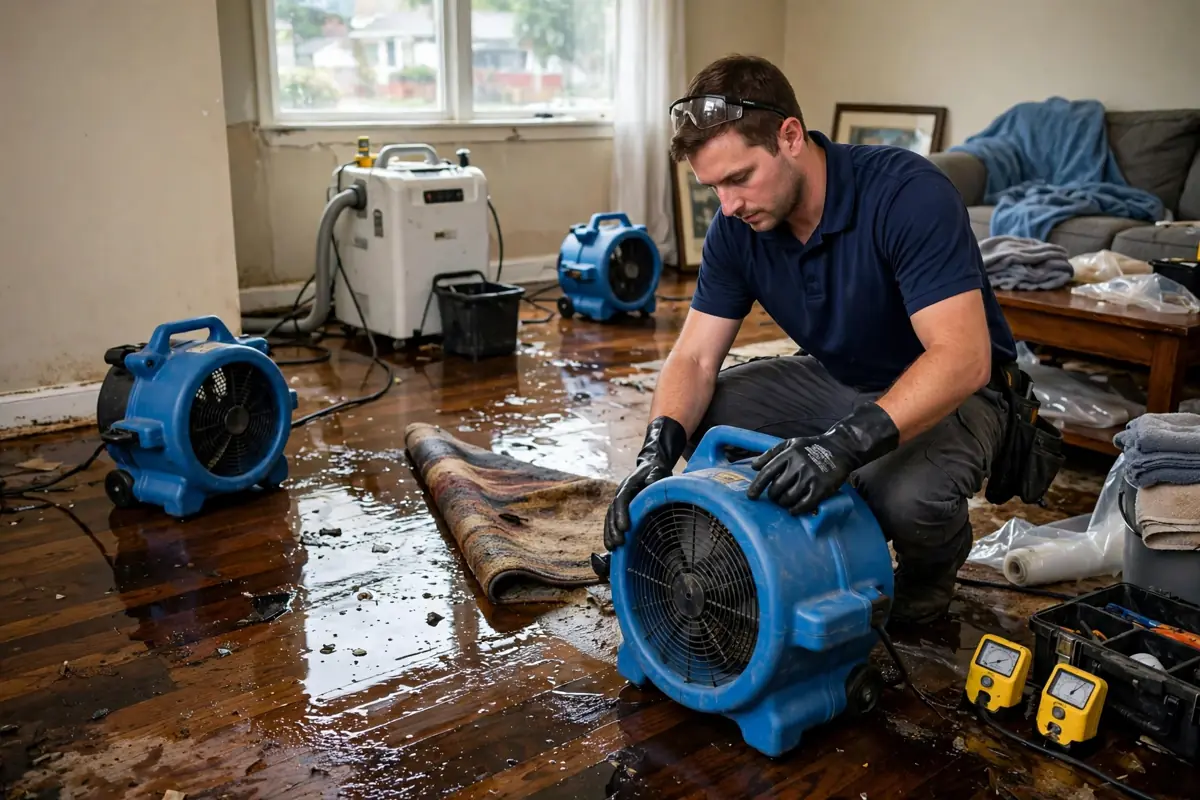
The First-Steps Checklist for Water Damage
- Stop the source. For a plumbing leak, turn the main water shut-off valve clockwise — usually by the meter, in the basement, or where the line enters the house. For storm flooding, wait until the water stops rising.
- Turn off power to any room where water is pooling near outlets, the panel or appliances. Never step into standing water that may be in contact with electricity.
- Protect what matters. Move furniture, electronics, documents and boxes off wet floors; lift curtains and upholstery skirts out of the water.
- Keep out of contaminated water. Sewage backups and outdoor floodwater can carry bacteria — keep children and pets away and do not handle it without protective gear.
- Photograph everything for your insurance claim — rooms, water lines on walls, damaged belongings — then arrange professional extraction and drying as quickly as you can.
Water Damage Restoration & Cleanup Services
Every water loss is different. A soaked kitchen from a split supply line, a flooded basement after a storm and a sewage backup each need a different response — the network matches your situation to an independent local provider equipped for exactly that work.
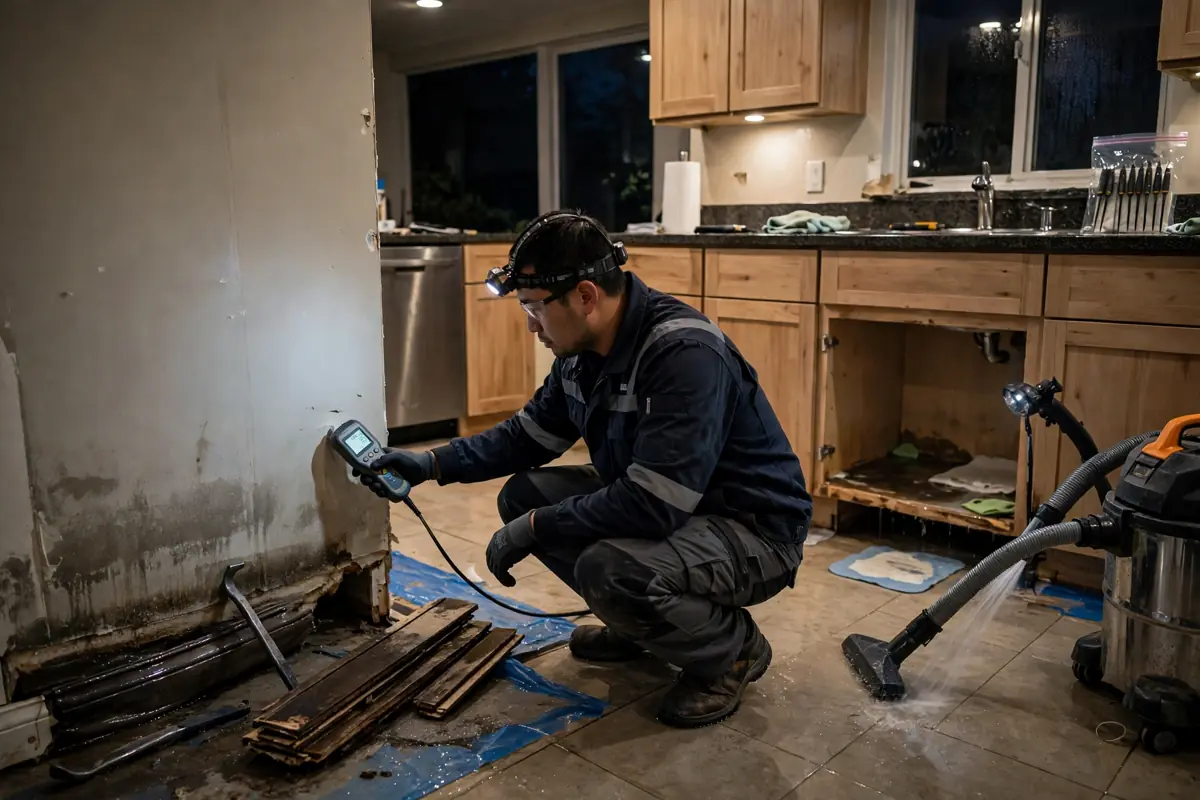
Emergency Water Damage Restoration
Urgent response when water is actively spreading. The provider locates the source, assesses what is soaked, and starts mitigation right away — at 2pm or 2am.
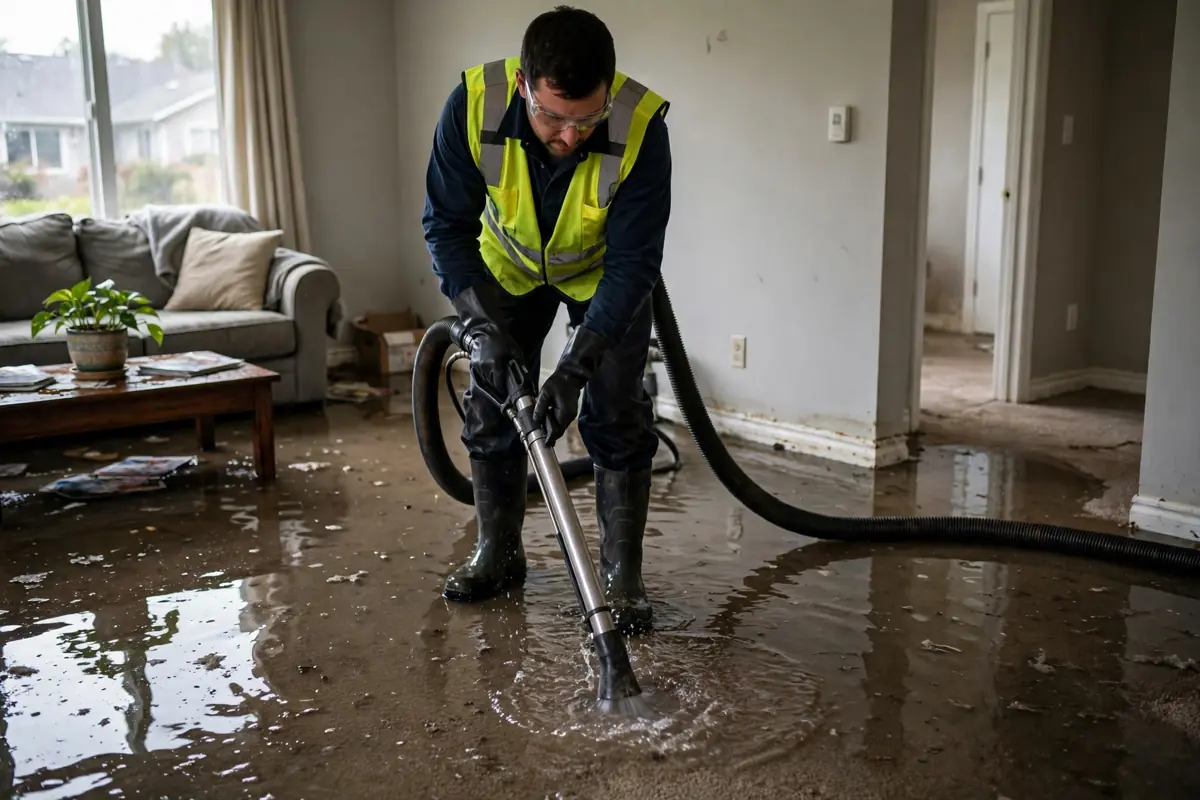
Water Removal & Extraction
Standing water removed with professional extraction equipment, including water drawn out of carpets and padding, so drying can actually begin.
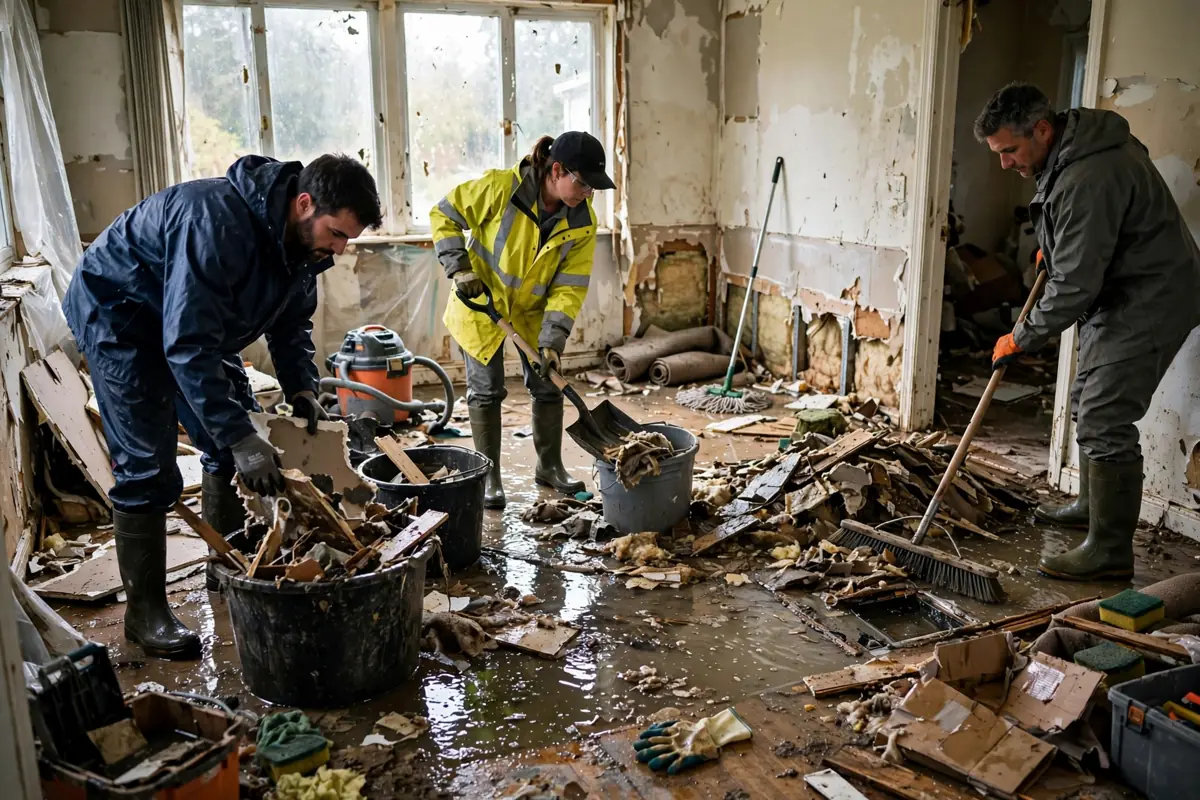
Flood Cleanup
After storms and rising water: debris and ruined material removed, surfaces cleaned and sanitised, and the structure dried before repairs begin.
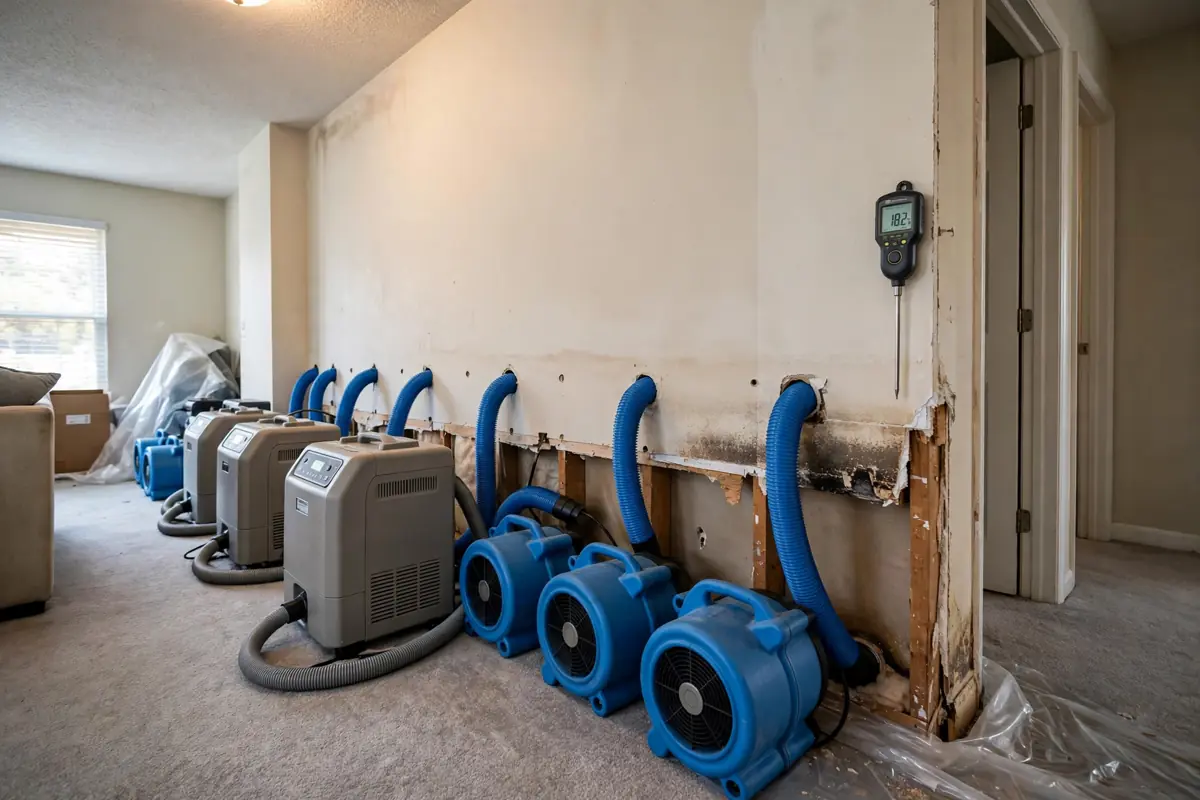
Structural Drying & Dehumidification
Air movers and professional dehumidifiers placed and monitored daily, drying walls, floors and cavities to measured dry standards — not guesswork.
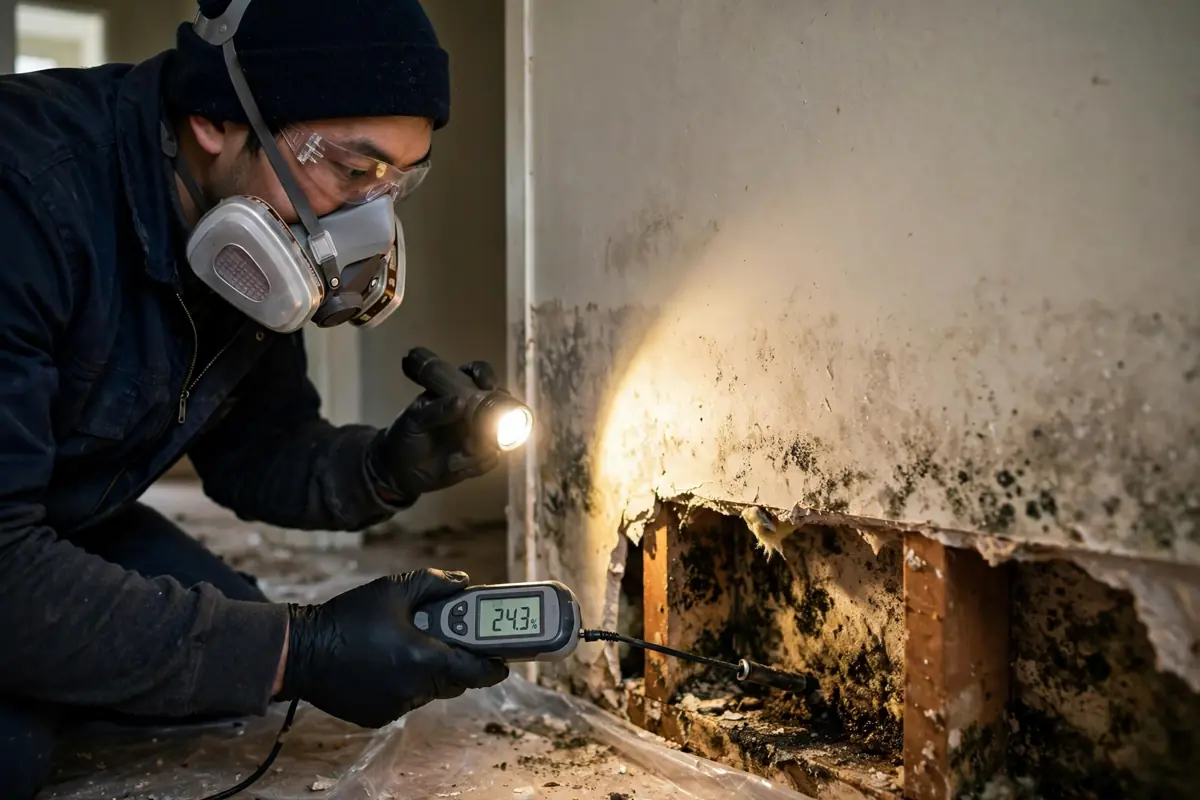
Mold Prevention After Water Damage
Fast, thorough drying plus antimicrobial treatment of affected materials, aimed at stopping mold before it starts — and a clear assessment when growth is already present.
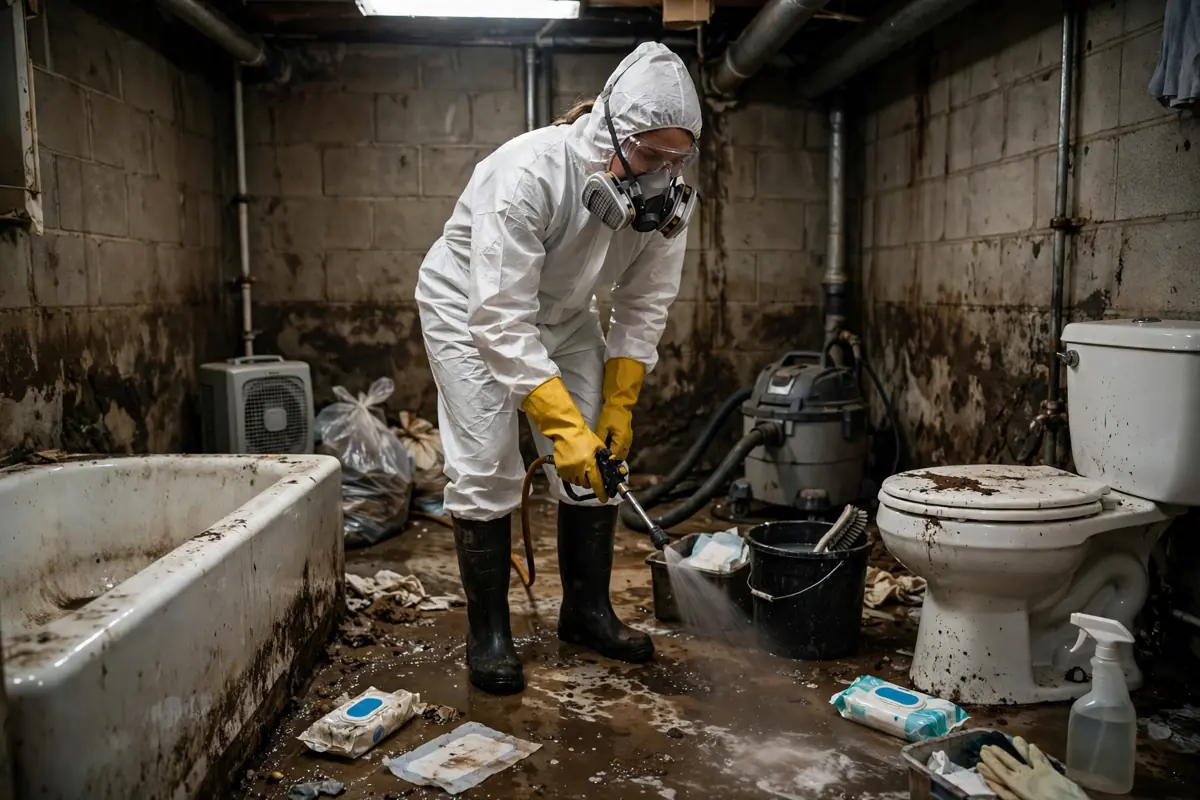
Sewage Cleanup
Sewage backups are a health hazard, not a mop job. Providers in protective gear remove contaminated water and material, then clean and disinfect the area.
From Standing Water to Dry in Four Steps
You describe the damage
Tell us where the water came from, how much of the property is wet, and whether the source has stopped. That triage decides what equipment your provider brings.
Nearest provider assigned
Your job goes to an independent local restoration provider in the network who handles your type of loss — clean water, flood, or sewage.
Extraction & assessment
On site, the provider removes standing water, checks moisture in walls and floors, and walks you through what can be dried and what must come out — before work begins.
Drying, monitored daily
Drying equipment runs while moisture readings are checked each day. Equipment is removed only when materials reach dry standards, and the area is left clean and ready for repair.
Warning Signs Water Damage Is Getting Worse
- Musty, earthy smell — microbial growth has usually already started somewhere hidden.
- Peeling paint or bubbling drywall — moisture is trapped inside the wall assembly.
- Warping or cupping floors — wood and laminate swell as they absorb water from below.
- Stains that keep growing — a slow leak is still active behind the surface.
- Soft, spongy flooring — subfloor material has been wet long enough to weaken.
No scare tactics, ever
Providers explain what is wet, what it means, and what is urgent versus optional — in plain language, with moisture readings to show for it. You approve the plan; nobody pressures you while your home is flooded.
Three Categories of Water — Three Different Responses
Restoration professionals classify water by how contaminated it is. The category decides the protective gear, the cleaning method, and what can safely be dried in place.
Category 1 — Clean Water
From supply lines, faucets and rain. Not a health risk when fresh, but it degrades fast: within a day or two, clean water soaking building materials is treated as category 2.
Category 2 — Grey Water
From dishwashers, washing machines, sinks and showers. Carries chemicals and microbes, so affected porous materials need cleaning and disinfection, not just drying.
Category 3 — Black Water
Sewage, toilet backups and outdoor floodwater. A serious health hazard: contaminated porous materials are removed, and the area is disinfected by equipped professionals.
What a Water Damage Job Actually Looks Like
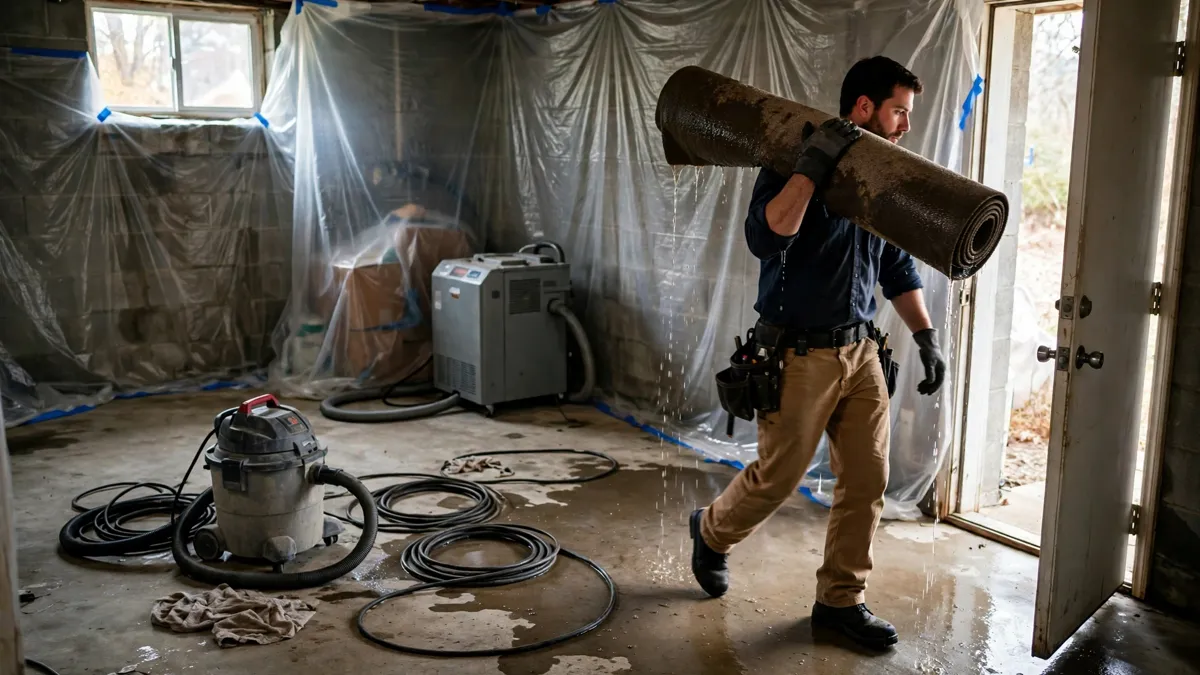
Kitchens, basements, living rooms and bathrooms — most water damage happens where pipes and appliances hide, and it spreads quietly. These are the scenes restoration providers walk into every week.
Water Damage Questions Homeowners Ask Us
What should I do first when I find water damage?
Stop the source if you safely can — shut off the main water valve for a plumbing leak — then turn off power to wet areas if water is near outlets or appliances, move belongings out of the water, and photograph everything. The faster standing water is removed and drying begins, the less damage spreads into walls, floors and furnishings.
How quickly can mold start after water damage?
Mold can begin growing on damp materials within 24 to 48 hours, which is why extraction and structural drying should start as soon as possible after a leak or flood. Materials that stay wet for days are far more likely to need removal.
How long does professional drying take?
Most homes dry in three to five days once standing water is extracted, depending on how much water got in, which materials were soaked, and how long the water sat. Providers monitor moisture readings daily and remove equipment only when materials reach dry standards.
Will homeowners insurance cover water damage?
Most policies cover sudden, accidental water damage — a burst pipe or a failed appliance, for example — while damage from long-ignored leaks or rising floodwater is often treated differently. Photograph everything, keep damaged materials until your adjuster advises otherwise, and file the claim promptly.
Can I dry water damage myself with household fans?
Fans help on a small, clean-water spill caught immediately. Once water has soaked into wall cavities, under flooring, or into insulation, household equipment rarely dries it fully, and hidden moisture is what leads to mold and rot. Professional extraction, dehumidification and moisture monitoring are built for exactly that hidden water.
Do you serve my town, or only large cities?
The network connects homeowners with independent local providers in towns and cities across all 50 states. Find your state in the service areas section below — local pages for states and cities are being added as the network expands.
Water Damage Restoration Across the USA
The network serves homeowners and property managers in all 50 states. State and city pages are being added as coverage expands — wherever you are, the restoration and cleanup services above are the standard your local provider works to.
Water Damage Does Not Wait. Neither Should You.
If water is standing in your home right now, stop the source, protect your belongings, and arrange professional extraction and drying as quickly as you can. Every hour of delay is more water in your walls and floors.
See Restoration & Cleanup Services — 24/7